Pride House Milan 2026
Milano, Italy – 6-22 February 2026
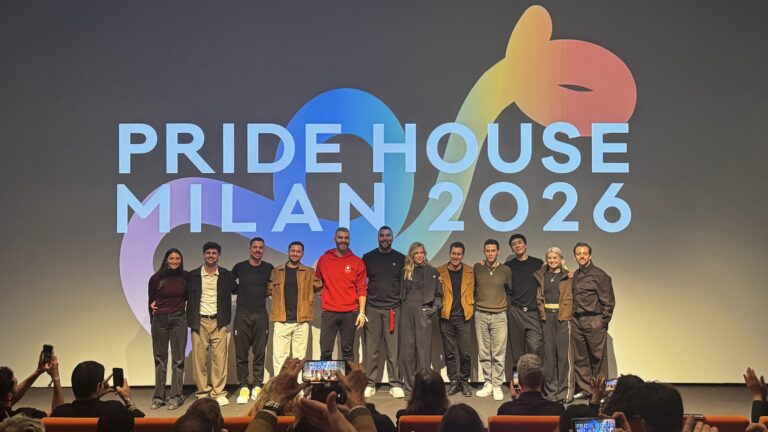
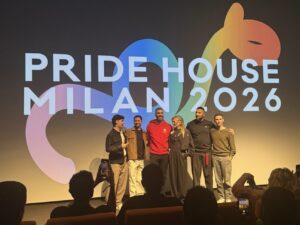
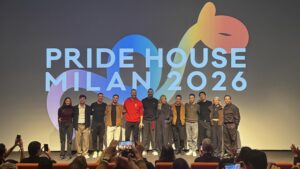
During the Olympic Winter Games Milano Cortina 2026, Pride House Milan 2026 became a space where sport, inclusion and human rights came together through dialogue, visibility and leadership.
Organised by Arcigay, the programme featured several events dedicated to advancing inclusion in sport. Among the highlights were Out & Proud and Legacy of Pride House, organised in collaboration with Compete Proud, Fier-Play, the Proud Champions Network, Pride Sport Milano and Pride House LA–West Hollywood.
These conversations brought together athletes, international organisations, policymakers and advocates, creating a space to share experiences, exchange perspectives and advance dialogue on how sport can become a safer and more inclusive environment for everyone.
Out & Proud – Athletes Living Authentically On and Off the Field
One of the defining moments of Pride House Milan 2026 took place on 14 February, with the event Out & Proud – Athletes Living Authentically On and Off the Field.
Bringing together openly LGBTIQ+ Olympians and allies from across the Olympic Movement, the evening created a space for reflection and conversation about authenticity in sport. The discussion explored what it means to come out in elite sport, the responsibility that comes with visibility, and how lived experiences can help shape safer environments for future generations.
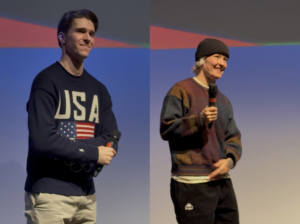
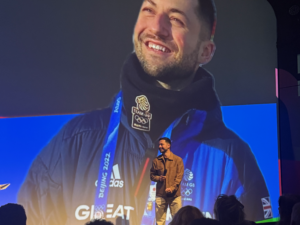
Among those sharing their perspectives were Kaitlyn Weaver, Adam Rippon, Lewis Gibson, Eric Radford, Paul Poirier, Alex Di Giorgio, Olivia Smart and Javier Raya, who reflected on their journeys and on the growing visibility of the LGBTIQ+ community in sport.
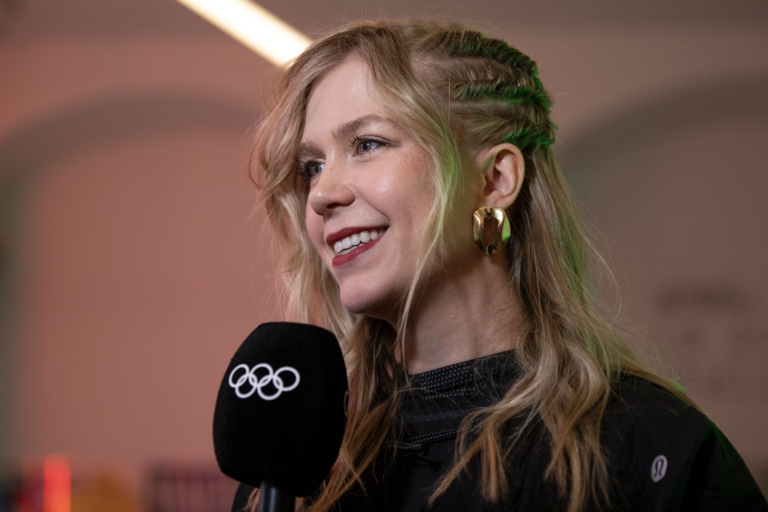
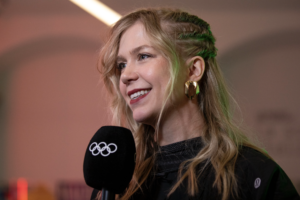
Kaitlyn Weaver reflected on her journey of coming out after her competitive career and the responsibility she now feels to use her voice to support the next generation of athletes.
“For most of my career, I didn’t come out. In a judged sport, you’re always aware of how you might be perceived — by judges, by audiences, by the stories you’re trying to tell on the ice. Ice dance is about telling love stories with authenticity, and for a long time I wasn’t sure how I fit into that narrative.
I spent years editing myself, trying to become the perfect version of who I thought I needed to be. But when I finally came out, I realised what authenticity actually feels like. And once you start using your voice for your community, there’s something incredibly powerful about that.”
Weaver also highlighted how important representation remains for queer women in sport.
“In figure skating, there are still only a handful of queer women who are openly competing or who have competed. That’s why visibility matters. The message I try to give young athletes is simple: the thing that makes you feel different — the thing you might feel ashamed of — is often your greatest gift.”
Her words echoed one of the central themes of the evening: that authenticity is not only liberating for athletes themselves, but also transformative for the generations who follow.
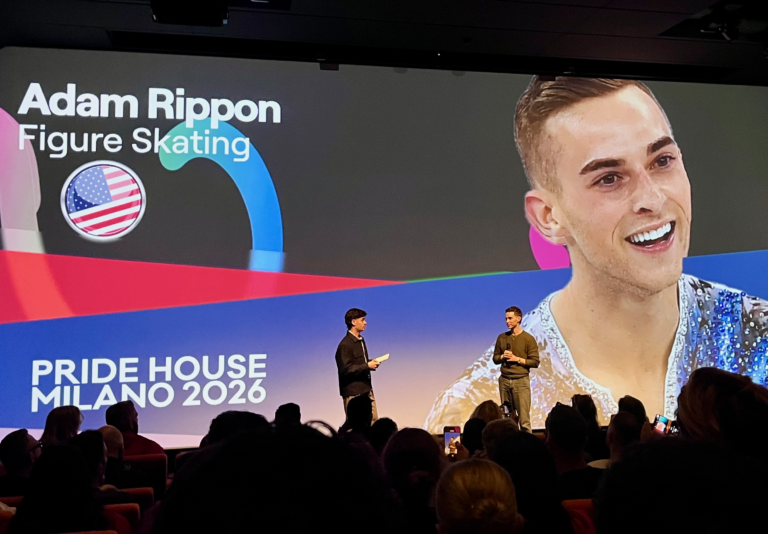
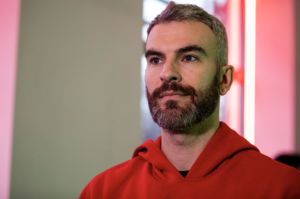
Adam Rippon spoke about the moment he realised his voice as an openly gay athlete could extend far beyond the ice rink.
“I didn’t immediately realise how much sharing my story meant to other people. But growing up, I remember watching those coming-out videos online — someone sitting down with their family and saying, ‘Dad, I’m gay.’ Seeing those stories made me realise that maybe I could share mine too.”
When Rippon qualified for the Olympic Games, that personal story suddenly reached a global audience.
“When I got to the Olympics, everything became much more public. I had this moment where I realised that representing my community carried a responsibility. I wasn’t just skating for myself anymore — I wanted to perform well for everyone who felt represented by me.”
Rippon emphasised that authenticity is one of the most powerful tools athletes have.
“At the end of the day, when we step on the ice, the best thing we can do is tell stories with honesty. Being yourself — and showing that openly — can have an impact far beyond sport.”
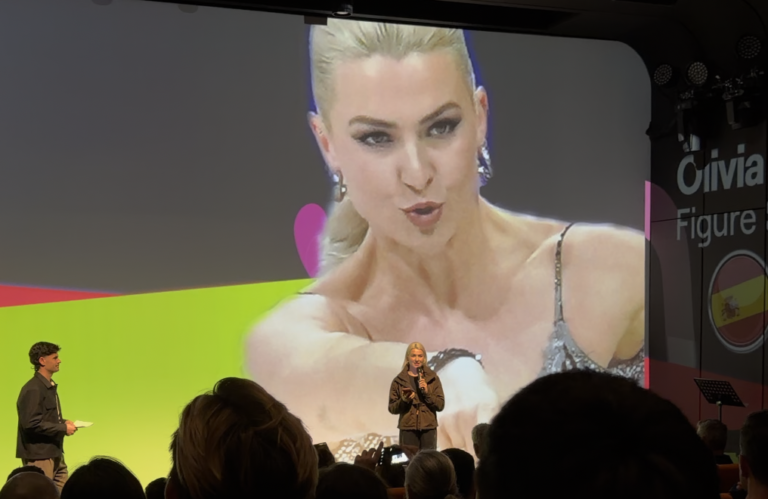
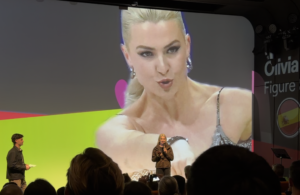
Spanish Olympic ice dancer Olivia Smart spoke as an ally, reflecting on the sense of community that Pride House created during the Games and the role allies can play in supporting LGBTQ+ athletes.
Having just competed in Milano Cortina 2026, she described the powerful atmosphere created by fans, athletes and advocates coming together in the same space.
“The energy around these Games has been incredible. After Beijing, where there were no spectators, feeling the presence of the community again — both in the arenas and here at Pride House — has been really special.”
Smart emphasised that allyship in sport means using one’s platform to help create safer and more welcoming environments for everyone.
“I’m here as a strong ally. I’m here to support the love, respect and sense of belonging that sport should create.”
For her, initiatives like Pride House represent an important step toward a sporting culture where authenticity is embraced rather than hidden.
“When athletes feel safe to be themselves, sport becomes stronger. Spaces like this remind us what sport can look like when everyone is welcome.”
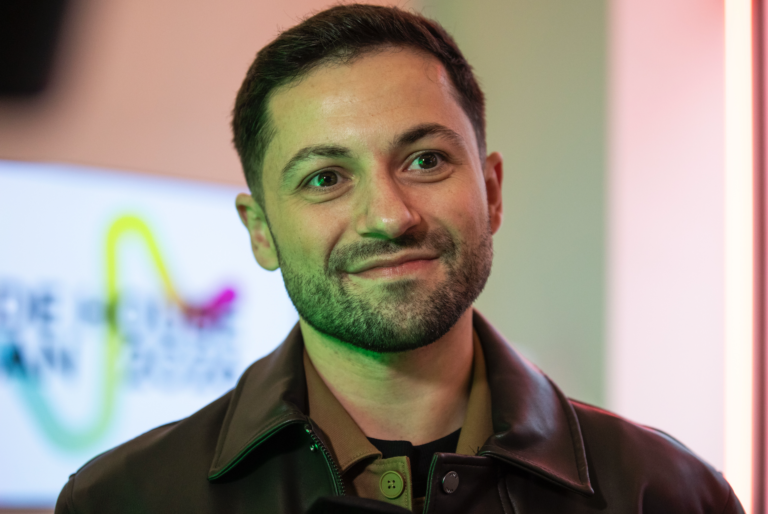
British Olympic ice dancer Lewis Gibson reflected on the importance of visibility and belonging, particularly for young athletes watching the Games from around the world.
“Somewhere out there, a young athlete is watching the Olympic Games and wondering if there’s a place for them in sport.
What we do here — the conversations we have, the spaces we create — help answer that question for them.”
For Gibson, Pride House represents a powerful message to future generations.
“The answer is yes. Absolutely. You fit here. You belong here. We all belong here.
And when we create spaces like this — spaces built on friendship, respect and community — we show that the future of sport is brighter when everyone is included.”
His words captured the spirit of the evening: that representation, dialogue and solidarity can help ensure that the next generation of athletes grows up in a sporting world where authenticity is not a risk, but a strength.
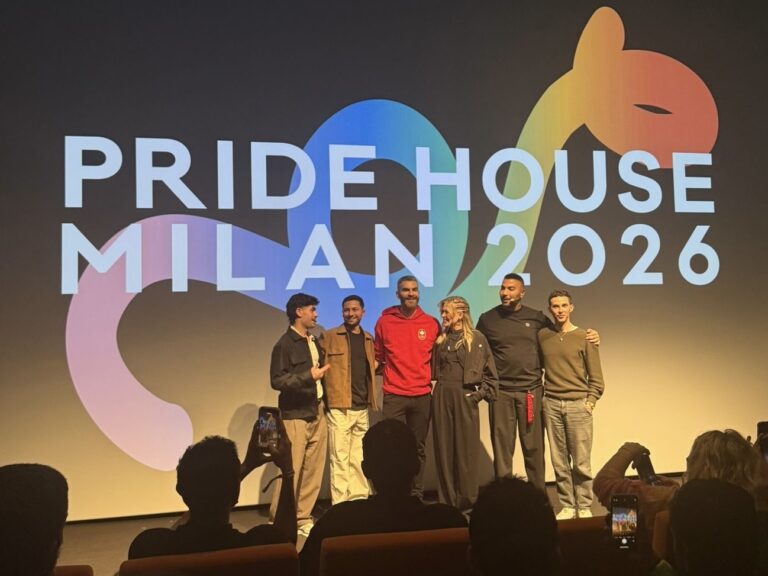
The evening demonstrated how powerful athletes’ voices can be when they speak openly about identity, belonging and the realities of elite sport. Through personal stories, humour and honesty, the discussion highlighted both the progress that has been made and the challenges that still remain for many LGBTIQ+ athletes around the world.
More than anything, Out & Proud showed the importance of creating spaces where athletes can share their experiences and support one another across disciplines, generations and countries. By bringing together role models, allies and advocates from across the Olympic Movement, the event reflected a growing commitment to ensuring that sport becomes a place where everyone can participate and thrive authentically.
While the evening focused on personal journeys, Pride House Milan 2026 also looked beyond individual stories to the broader question of legacy — exploring how the momentum created by Pride Houses at the Olympic Games can translate into lasting change within the sporting world.
Legacy, Human Rights and the Power of Athlete Voices
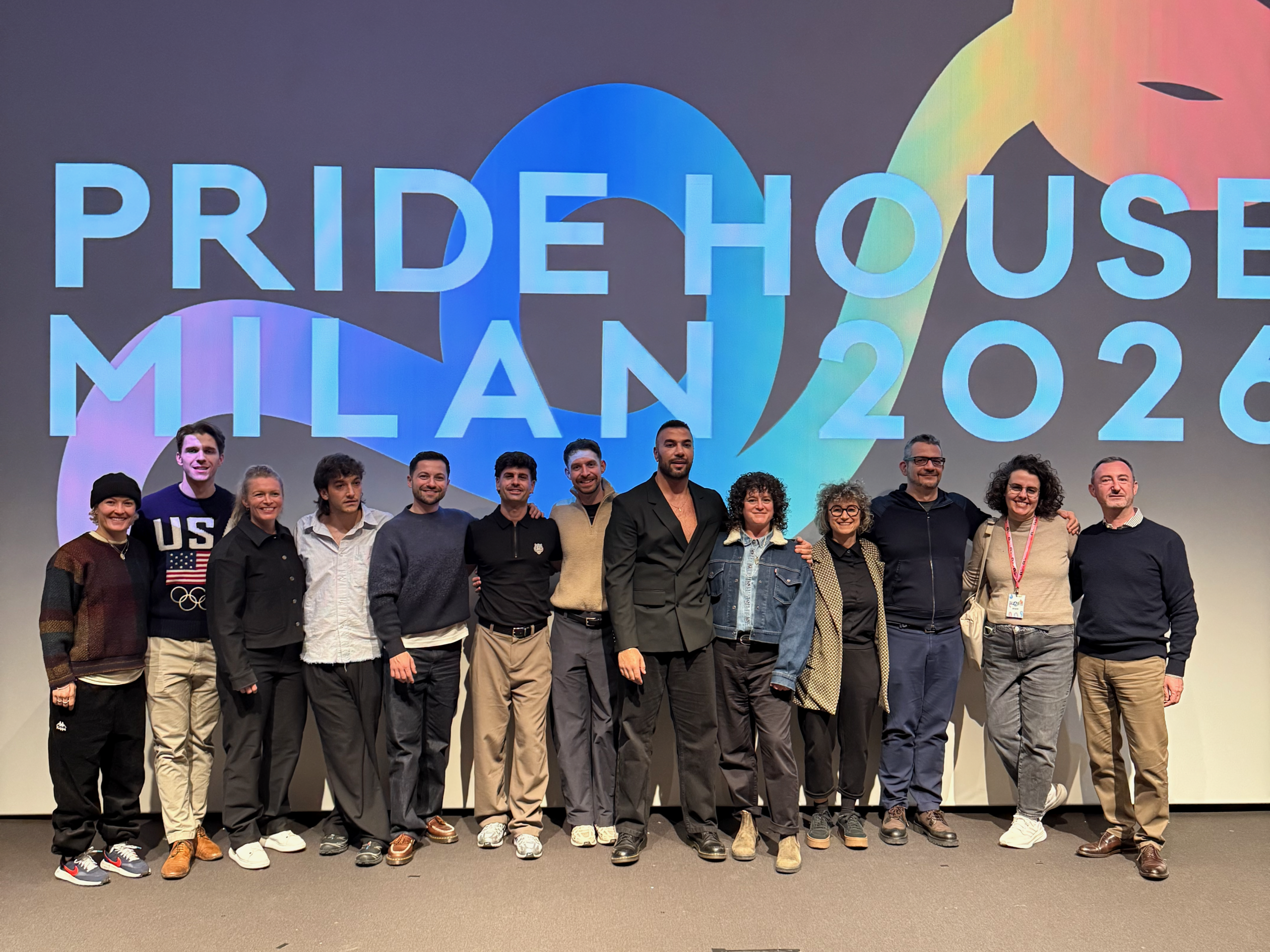
Beyond celebration and community, Pride House Milan 2026 also served as a platform for deeper conversations about the future of inclusion in sport. Through a series of discussions bringing together advocacy organisations, policymakers and athletes, the programme explored how sport can advance equality, visibility and human rights for LGBTIQ+ communities.
Across the programme, participants examined the topic from complementary perspectives. Two panels explored the role of advocacy and institutions in shaping inclusive sport systems, while a final event focused on the legacy of Pride House itself and the importance of dedicated queer spaces during the Olympic and Paralympic Games.
Together, the discussions highlighted how meaningful progress in sport requires collaboration across the entire ecosystem — from civil society and international organisations to policymakers and the athletes themselves.
When Everyone can Compete: Inclusion and the Power of Sport
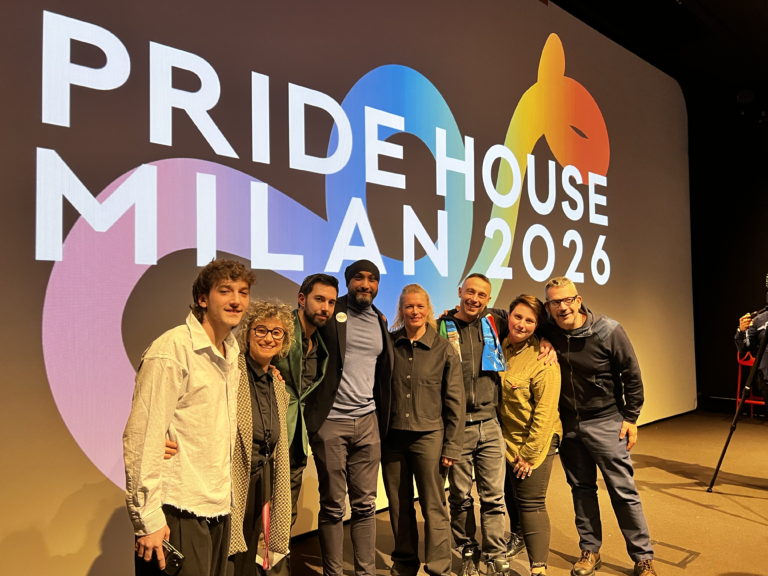
The first panel, “When Everyone Can Compete: Inclusion and the Power of Sport”, was organised in collaboration with ILGA World, the leading global federation advocating for LGBTIQ+ equality.
The discussion explored the relationship between sport and human rights, focusing on the importance of inclusive environments across all levels of sport, including grassroots participation. Particular attention was given to the experiences of transgender athletes and the role of civil society in ensuring that sport remains a space of dignity, respect and opportunity for everyone.
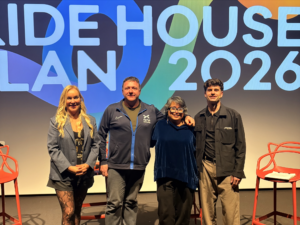
The panel brought together Yuri Guaiana, Co-Secretary General of ILGA World; Gurchaten Sandhu, Director of Programmes at ILGA World; Nikki Symmons, athlete and representative of Compete Proud and the Proud Champions Network; Graeme Reid, United Nations Independent Expert on sexual orientation and gender identity; and Alexandra Xanthaki, UN Special Rapporteur on Cultural Rights. Italian Paralympian Valentina Petrillo, the first openly transgender athlete to compete at the Paralympic Games in Paris 2024, also contributed a powerful video message.
The conversation was moderated by journalist Simone Alliva.
During the discussion, Nikki Symmons reflected on the role that visibility and allyship play in helping athletes feel safe in sport.
“Sport has an incredible power to bring people together. When athletes feel safe to be themselves, they not only perform better, but they also inspire others to believe that they too belong in sport.”
Speakers emphasised that while progress has been made in recent years, continued collaboration between advocacy organisations, athletes and sports institutions remains essential to ensuring that sport becomes truly inclusive.
Human Rights-Based Approaches to LGBTI Inclusion in Sport
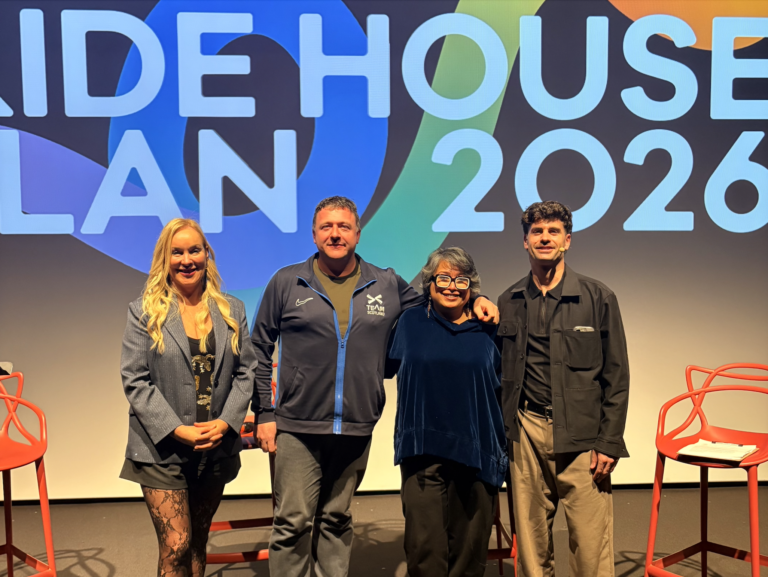
The second panel, “Human Rights-Based Approaches to LGBTI Inclusion in Sport”, focused on the role of public institutions and governance frameworks in advancing equality in sport.
Organised in collaboration with the Council of Europe, the discussion examined how policy tools, legal frameworks and international cooperation can support inclusive sport systems and address discrimination affecting LGBTIQ+ athletes.
The panel brought together Francine Raveney, Deputy Executive Secretary of the Enlarged Partial Agreement on Sport (EPAS) at the Council of Europe; Hugh Torrance, expert in sport and human rights and representative of LEAP Sports Scotland and the European Gay and Lesbian Sport Federation; and Dr Payoshni Mitra, founder of Humans of Sport.
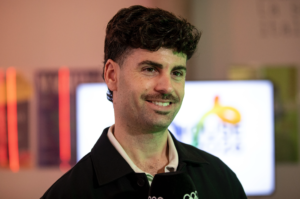
The conversation was moderated by Winter Olympian and Compete Proud founder Javier Raya, who emphasised the importance of connecting institutional leadership with the lived experiences of athletes.
“Sport can create belonging, opportunity and visibility. But inclusion does not happen automatically. It requires intention, collaboration and leadership from institutions, sports organisations and athletes working together.”
Throughout the discussion, speakers highlighted the importance of integrating human-rights principles into sports governance and ensuring that public institutions, sports organisations and civil society collaborate to create safer and more inclusive sporting environments.
Legacy of Pride House: From Paris to Milan to LA
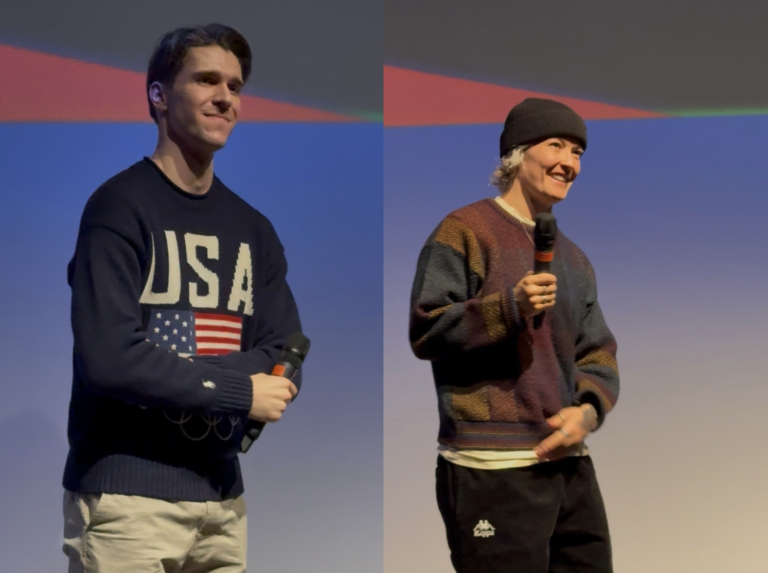
The programme concluded with the event “Legacy of Pride House: From Paris to Milan to LA”, which reflected on the growing impact of Pride House as a global initiative supporting LGBTIQ+ visibility and community during major sporting events.
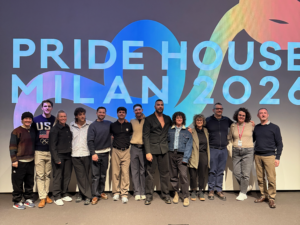
Hosted by Pietro Turano, the event brought together representatives from Pride House initiatives around the world, including Jeremy Coupille from Pride House Paris, representatives of Pride House Los Angeles, and leaders from Arcigay and EuroPride Torino 2027. Speakers also included Nikki Symmons and Javier Raya representing Compete Proud, as well as Pride House organisers and international partners.
The discussion explored how Pride House has evolved from a community space during the Olympic Games into a growing international movement connecting athletes, organisations and advocates working to advance inclusion in sport.
Among those sharing their perspectives were Pride House ambassadors and athletes Conor McDermott-Mostowy and Maddy Shaffrick, who reflected on the importance of visibility and supportive spaces during the Olympic Games.
Olympic speed skater Conor McDermott-Mostowy spoke about the significance of representation in winter sport.
“I’m currently the only openly gay man in speed skating, and also the only one on Team USA this year. That’s part of why visibility matters so much. You have to see it to believe that it’s possible.”
Reflecting on his own journey, he acknowledged the influence of athletes who helped pave the way for greater visibility.
“Athletes like Gus Kenworthy played a huge role in my coming out and my confidence in sport. I hope I can play that role for somebody else one day.”
Olympic snowboard halfpipe athlete Maddy Shaffrick shared her own experience navigating identity within elite sport.
“During my teenage years in elite sport, I was often told how I should present myself — how I should look and how I should act. Those messages really shaped how I explored my identity.”
Returning to sport on her own terms, she emphasised the importance of authenticity and supportive communities.
“One of my motivations now is to show up authentically as myself, in my true power. That includes being openly gay. When you live that truth, it connects with people and inspires them.”
Carrying the Legacy Forward
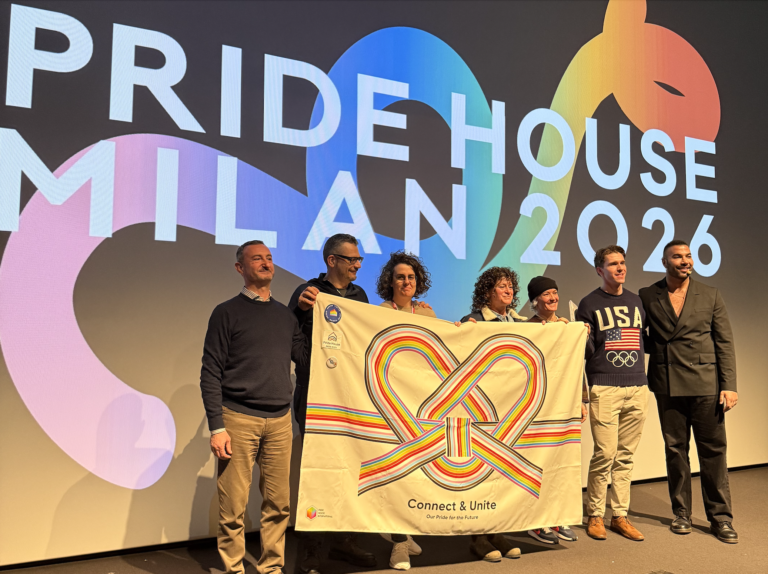
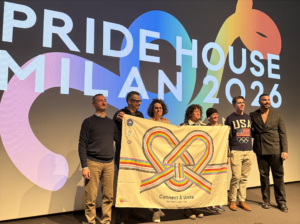
The Pride House Milan 2026 Legacy event concluded with a symbolic moment marking the continuation of the movement: the handover of the Pride House flag to Pride House LA – West Hollywood, represented by Haley Caruso.
The handover was led by members of the Pride House Milan 2026 organising team, including Alice Redaelli, President of Arcigay, Roberto Muzzetta from Arcigay’s international team, and Joseph Naklé of Pride Sport Milano, alongside athletes and international partners present at the event.
First introduced at Pride House Tokyo 2020, the flag has travelled across Olympic cycles as a symbol of LGBTQ+ visibility within the Games.
Accepting the flag, Haley Caruso highlighted the importance of continuing that legacy.
“Pride House has become a powerful symbol of visibility and belonging within the Olympic and Paralympic movement. We’re honoured to carry this legacy forward to Los Angeles and continue creating spaces where athletes and fans can celebrate who they are.”
Representing Fier-Play and Pride House Paris 2024, Jeremy Coupille reflected on the growing international collaboration behind the initiative.
“Each Pride House builds on the work of the previous one. What started as a local initiative has become an international movement connecting athletes, organisations and communities around the world.”
From Vancouver 2010, to then more recently Paris 2024, Milan 2026 and now Los Angeles 2028, Pride House continues to grow as a space where sport, community and human rights come together — carrying the movement forward and beyond.